The standard layout of high-end international real estate has fundamentally shifted. The contemporary property investor no longer looks for sterile, heavily poured concrete boxes. Instead, the focus has pivoted sharply toward structural designs that merge advanced green engineering with indigenous cultural footprints.
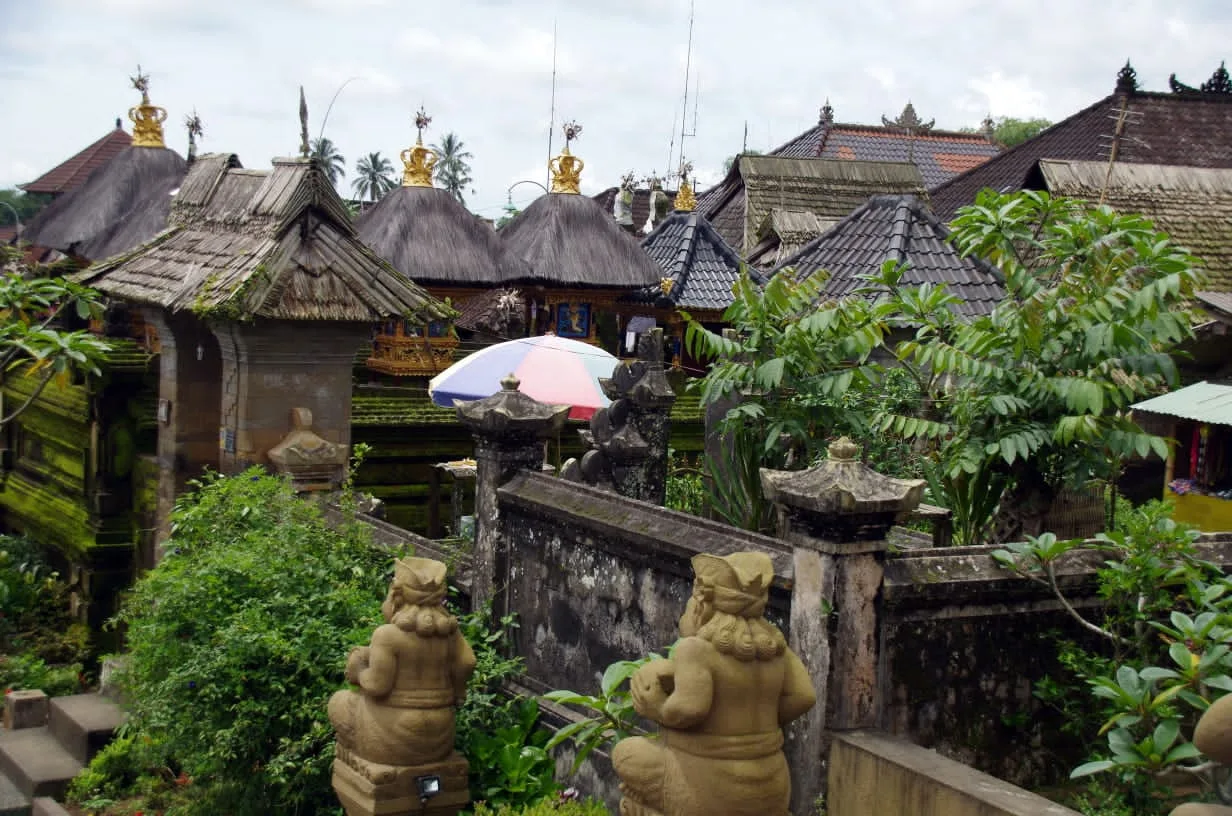
In northern Bali's Buleleng regency, Sidetapa Village—one of the island's ancient, historic Bali Aga (original Balinese) settlements—holds the blueprints for this evolution. Long isolated by the rugged topography of the Banjar district, Sidetapa has preserved multi-century architectural engineering methods centered on highly resilient, sustainable bamboo weaving and traditional structural design.
For modern eco-resorts and luxury residential villa developments across Bali, adapting Sidetapa’s heritage is not merely a design trend; it is a structural mechanism for long-term climate resilience, low-carbon building compliance, and extraordinary asset valuation.
Structural DNA: The Ancient Bale Gajah Tumpang Salu
Unlike southern Balinese architecture that evolved under later royal expansion, Sidetapa's engineering centers around the historic Bale Gajah Tumpang Salu. This ancestral residential structure is engineered around four main heavy structural pillars arranged to mirror the solid weight distribution of an elephant’s feet (Gajah), stabilizing a triple-tiered overlapping roof system (Salu).
This structural methodology provides crucial physical advantages for 2026 eco-luxury developments:
- Seismic Load Deflection: The four-point independent framework relies on flexible timber and bamboo mortise joints rather than rigid steel bolts. When seismic activity occurs, the joints flex and distribute lateral kinetic energy smoothly, making the structure remarkably earthquake-resilient.
- Micro-Climate Thermal Insulation: Sidetapa’s ancestral layouts traditionally utilized subterranean elements, thick earthen foundations, and hand-woven bamboo partition screens. This combination keeps the interior climate consistently cool by naturally blocking harsh solar radiation without relying on high-wattage HVAC mechanical cooling.
Master Material Innovation: The Sidetapa Bamboo Weaving Technique
The local economic engine of Sidetapa is driven by its master artisans, who process raw, locally grown bamboo into structural matrices. While standard bamboo applications often suffer from rot or insect vulnerabilities, Sidetapa’s traditional preparation methodology transforms raw fibers into a high-tensile, industrial-grade building asset.
- Water-Sinking Curing: Bamboo poles are harvested according to lunar cycles and submerged in running local water networks for months to wash away starch content, rendering the fibers completely unappealing to powder-post beetles and termites.
- Structural Weaving Matrix: The bamboo is meticulously hand-slit into highly flexible, variable-thickness layers. Master weavers construct complex panels utilized as structural ceilings, load-bearing partition walls, and custom interior lighting fixtures.
When deployed in premium property developments, these materials create an organic, sound-dampening acoustic buffer while maintaining continuous air permeability. This ensures the building envelope breaths naturally, preventing toxic mold buildup—a common, costly risk across tropical real estate portfolios.
Partner with the Experts at DuniaRayaGroup.com
Integrating ancient structural heritage with highly strict Indonesian real estate laws and modern lifestyle demands requires specialized local execution.
Ready to safeguard your real estate journey in Bali? Whether your strategy is to buy a high-yielding eco-villa leasehold, sell a premium architectural asset, or rent a stunning heritage-infused villa on a daily, monthly, or yearly basis, DuniaRayaGroup.com is your trusted expert. Our premium property management and real estate advisory services protect your assets, manage local compliance, and optimize your operational rental yields seamlessly. Connect with our dedicated advisory desk today.
Frequently Asked Questions
1. What makes Sidetapa Village’s architectural heritage structurally unique?
Sidetapa is an ancient Bali Aga village with structural lineages dating back centuries. Its core engineering asset, the Bale Gajah Tumpang Salu, utilizes a flexible four-pillar foundation and multi-tiered roofing systems designed to dissipate heavy tropical wind and seismic loads naturally, without relying on dense concrete and steel.
2. How does woven bamboo from Sidetapa compare to standard industrial wall materials?
Sidetapa’s hand-woven bamboo allows continuous passive ventilation through the building envelope, preventing humidity traps and indoor mold development. Furthermore, treated native bamboo features a high tensile strength-to-weight ratio, offering superior carbon neutrality and thermal insulation compared to standard brick or drywall panels.
3. How do local artisans prevent bamboo from rotting or being damaged by termites over time?
Artisans employ traditional curing methods, which include timing the forest harvest by natural starch cycles and submerging the bamboo poles in running river water. This naturally removes the plant's internal sugars and starches, rendering the cured fiber safe from wood-boring insects and decay for decades.
4. Can Sidetapa’s heritage engineering techniques be legally integrated into modern commercial properties?
Yes. Modern structural engineers routinely adapt the flexible joinery and lightweight framing concepts of Bale Gajah designs to pass stringent structural safety codes, fire regulations, and Indonesian building certifications (PBG) for commercial operations.
5. Why is incorporating regional heritage architecture important for 2026 property values?
International luxury renters and buyers are moving away from standardized construction. Properties that showcase localized heritage, authentic artisan handiwork, and low embedded-carbon footprints command higher valuation premiums, secure better international media visibility, and sustain resilient occupancy rates.
6. What is the standard ownership structure for eco-villas featuring heritage designs?
Foreign investors can securely acquire these properties through long-term Leasehold agreements (Hak Sewa) ranging from 25 to 50+ years, or via a foreign-owned corporation (PT PMA) utilizing a Right-to-Build title (Hak Guna Bangunan / HGB).
7. Does property located in more remote heritage areas perform well in the rental market?
Yes, the market has seen a profound shift toward eco-tourism, cultural immersion, and wellness-centered travel. Properties that offer premium connectivity and modern luxury amenities alongside traditional heritage architecture attract high-spending, long-stay travelers looking for privacy away from coastal traffic.
8. How does DuniaRayaGroup.com manage the specialized maintenance of timber and bamboo properties?
Our property management division utilizes dedicated teams skilled in the unique preservation needs of organic structures. We schedule routine, low-impact preventative treatments, execute localized repairs with authentic artisan materials, and ensure structural elements remain fully weather-sealed to protect your investment's asset lifecycle.