The global real estate market has experienced a massive shift toward Regenerative Luxury. High-net-worth investors, wellness entrepreneurs, and long-stay expatriates are no longer moving to Bali simply for a postcard view. Instead, they are actively looking for properties that respect local ecosystems, protect cultural heritage, and minimize their carbon footprint.
At the intersection of this movement is the synergy between the exceptional skill of Singaraja wood artisans and the highly protected, tranquil landscape of Ubud. For developers and buyers looking to build or acquire real estate in Bali, understanding this artistic and environmental relationship is the key to securing long-term capital appreciation and high occupancy rates.
The Mastery of Singaraja Wood Artisans: Elevating Modern Tropics
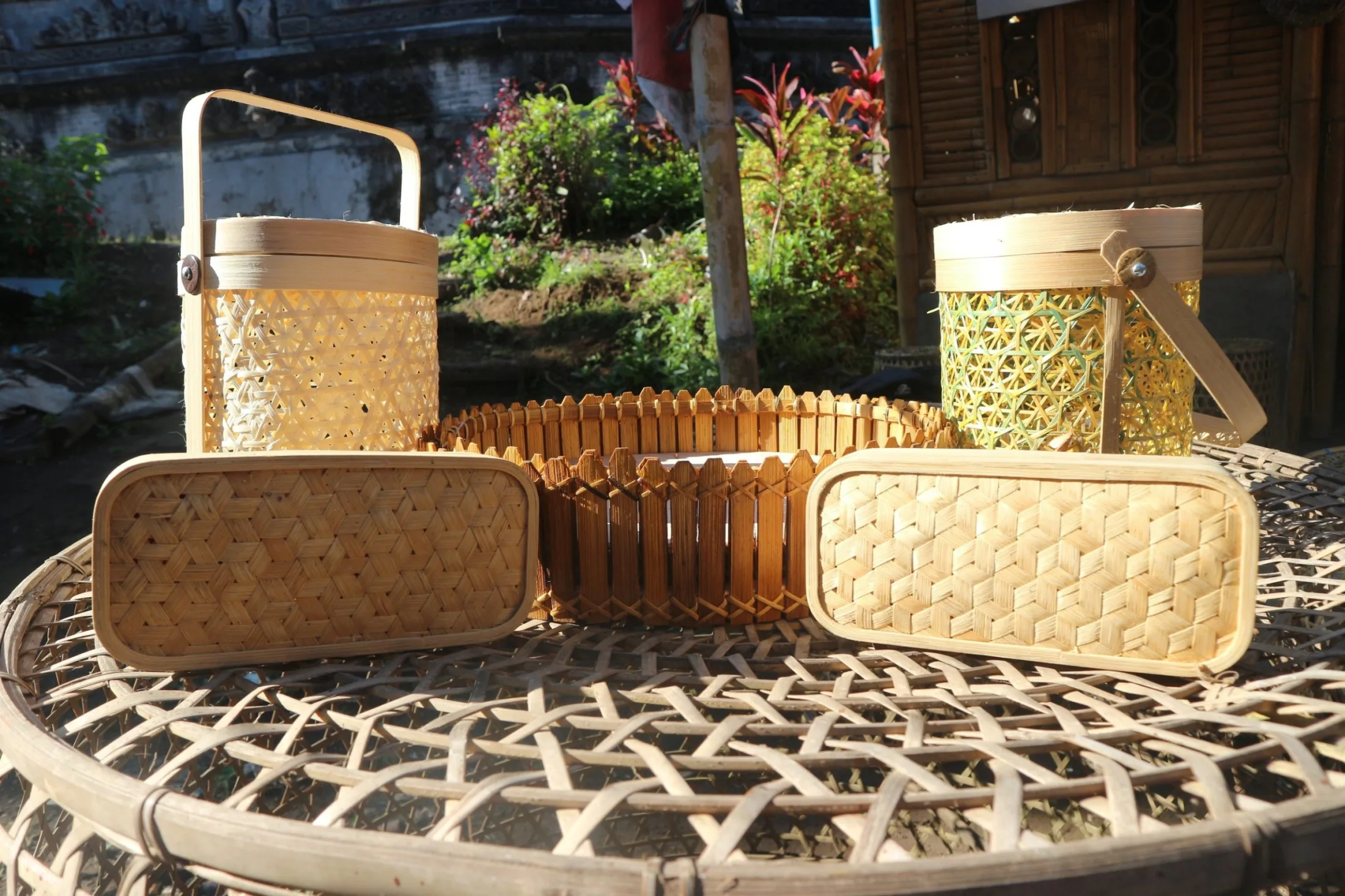
While southern Bali is often associated with rapid commercial builds, northern Bali—specifically the regency of Buleleng and its capital, Singaraja—remains the spiritual heartland of master carpentry. For generations, Singaraja artisans have perfected the art of working with reclaimed teak, ulin (ironwood), and sustainably sourced local timber.
In modern premium villa design, these artisans are moving away from mass-produced, imported furniture. Instead, they are crafting bespoke, architectural elements that age gracefully in tropical climates:
- Intricate structural pillars (Seken) that honor traditional Balinese architecture while anchoring minimalist layouts.
- Hand-carved louvered doors and screens that facilitate cross-ventilation, naturally cooling spaces without the constant draw of heavy air conditioning systems.
- Zero-waste live-edge furniture that celebrates the natural, imperfect textures of wood—perfectly aligning with the globally dominant Wabi-Sabi minimalist aesthetic.
By incorporating elements directly sourced from Singaraja workshops, real estate assets gain a distinct story of authenticity. This unique character directly influences an investor's Average Daily Rate (ADR) premium and resale value.
Respecting the Natural Ubud: Architecture that Breathes
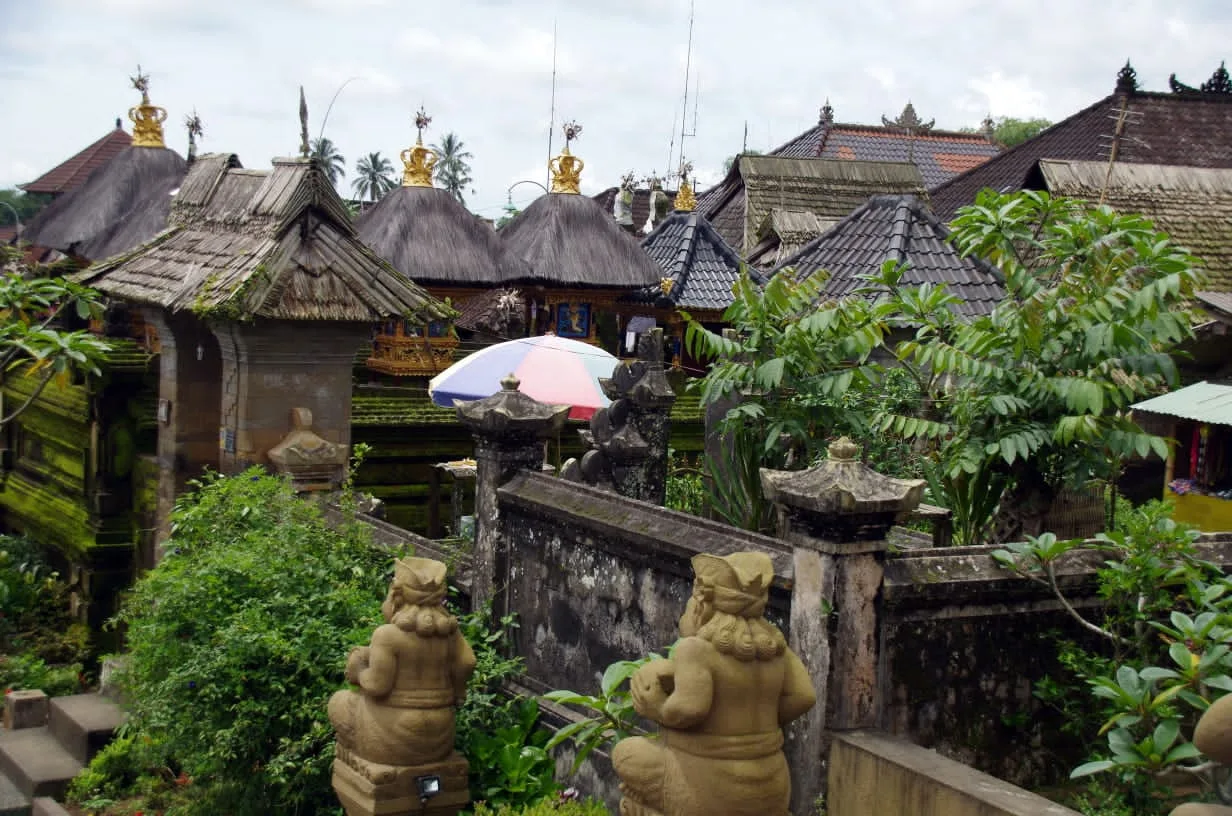
Ubud is a fragile ecosystem. Governed heavily by green-zone restrictions (jalur hijau), agricultural zoning laws, and the spiritual framework of Tri Hita Karana (maintaining harmony between humans, nature, and the divine), constructing property here requires deep environmental empathy.
Genuinely sustainable real estate in Ubud does not dominate the landscape; it dissolves into it.
By pairing the structural wood expertise of northern artisans with eco-grade engineering, smart developments are achieving true sustainability through several key features:
- Thermodynamic Architecture: Utilizing high, vaulted timber ceilings to maximize the Stack Effect, allowing hot air to rise and escape naturally while drawing in refreshing air from ground-level shaded zones.
- Biophilic Harmony: Creating deep visual continuity with disappearing glass walls framed in seasoned teak, ensuring the villa's interior flows seamlessly into the surrounding jungle canopy.
- Low-Impact Foundations: Choosing stilted, elevated timber pavilions (Bale) over massive concrete slabs to prevent structural changes to natural water flow and local Subak (irrigation) networks.
Investing in Ubud real estate requires prioritizing legal compliance, environmental approvals, and low-density construction. Properties that display these values enjoy incredibly resilient, year-round rental demand from a highly affluent demographic of digital nomads, remote executives, and wellness seekers who stay for months rather than days.
Partner with the Experts at DuniaRayaGroup.com
Navigating the nuances of sustainable luxury, local artisan partnerships, and strict Indonesian property compliance requires a trusted, boot-on-the-ground advisor.
Ready to unlock your piece of paradise safely? Whether you are looking to buy an eco-luxury leasehold villa, sell a premium heritage property, or rent a stunning sanctuary on a daily, monthly, or yearly basis, DuniaRayaGroup.com is your ultimate partner. Our comprehensive property management and real estate services guarantee that your investment is fully compliant, operationally optimized, and meticulously maintained for long-term passive income generation. Contact our advisory team today.
Frequently Asked Questions
1. Why are Singaraja wood artisans preferred over commercial furniture manufacturers?
Singaraja wood artisans possess multigenerational expertise in treating, curing, and carving local timbers like reclaimed teak and ironwood. Their hand-built, mortise-and-tenon joinery techniques are specifically designed to adapt to tropical humidity, meaning the wood will not warp or crack over time compared to mass-produced factory alternatives.
2. What does "respecting the natural Ubud" mean in terms of property development?
It means adhering strictly to building codes that preserve Bali's green zones. This includes respecting building height limitations (no structures taller than a coconut tree, roughly 15 meters), protecting natural water streams, maintaining a low building footprint on the plot, and using natural, biophilic designs that integrate with the environment.
3. How does using reclaimed wood affect the resale value of a villa in Bali?
Reclaimed timber, particularly old-growth Javanese teak, is a scarce and highly valued status symbol. It carries structural stability that fresh timber lacks and provides a distinct architectural character. Properties utilizing these premium materials command higher valuations on the secondary market.
4. Are there specific zoning restrictions I should know about before investing in Ubud?
Yes, Ubud has strict green-zone boundaries (jalur hijau) where building is strictly prohibited to protect agricultural land. Before purchasing land or an off-plan villa, it is essential to perform due diligence on the spatial zoning regulations to confirm the land allows for commercial accommodation permits.
5. How does sustainable design improve net rental yields for investors?
Sustainable design incorporates passive cooling, natural ventilation, and solar integration. These features cut electricity and maintenance costs, directly lowering your villa's overhead expenses and preserving a higher percentage of your gross rental income.
6. Can foreigners legally buy or lease timber-framed eco-villas in Ubud?
Yes. Foreigners can safely acquire property using a Long-Term Leasehold (Hak Sewa) or by establishing a foreign-owned company (PT PMA) to secure a Right-to-Build title (Hak Guna Bangunan). Working with an established agency like DuniaRayaGroup.com ensures all contracts are legally secure and fully compliant.
7. Is the rental market in Ubud seasonal or year-round?
Unlike coastal party hubs that rely on short-term seasonal holiday travelers, Ubud possesses a highly stable, year-round rental market. It is heavily supported by wellness tourists, digital nomads, and expats seeking long-term residential spaces, which helps mitigate low-season vacancy drops.
8. How does DuniaRayaGroup.com assist with property management for eco-villas?
DuniaRayaGroup.com handles the entire operational life cycle of your property. We manage listing marketing, guest check-ins for daily, monthly, or yearly tenants, preventative structural maintenance for timber and stone elements, tax compliance, and local community relationships so you can enjoy fully hands-off passive income.