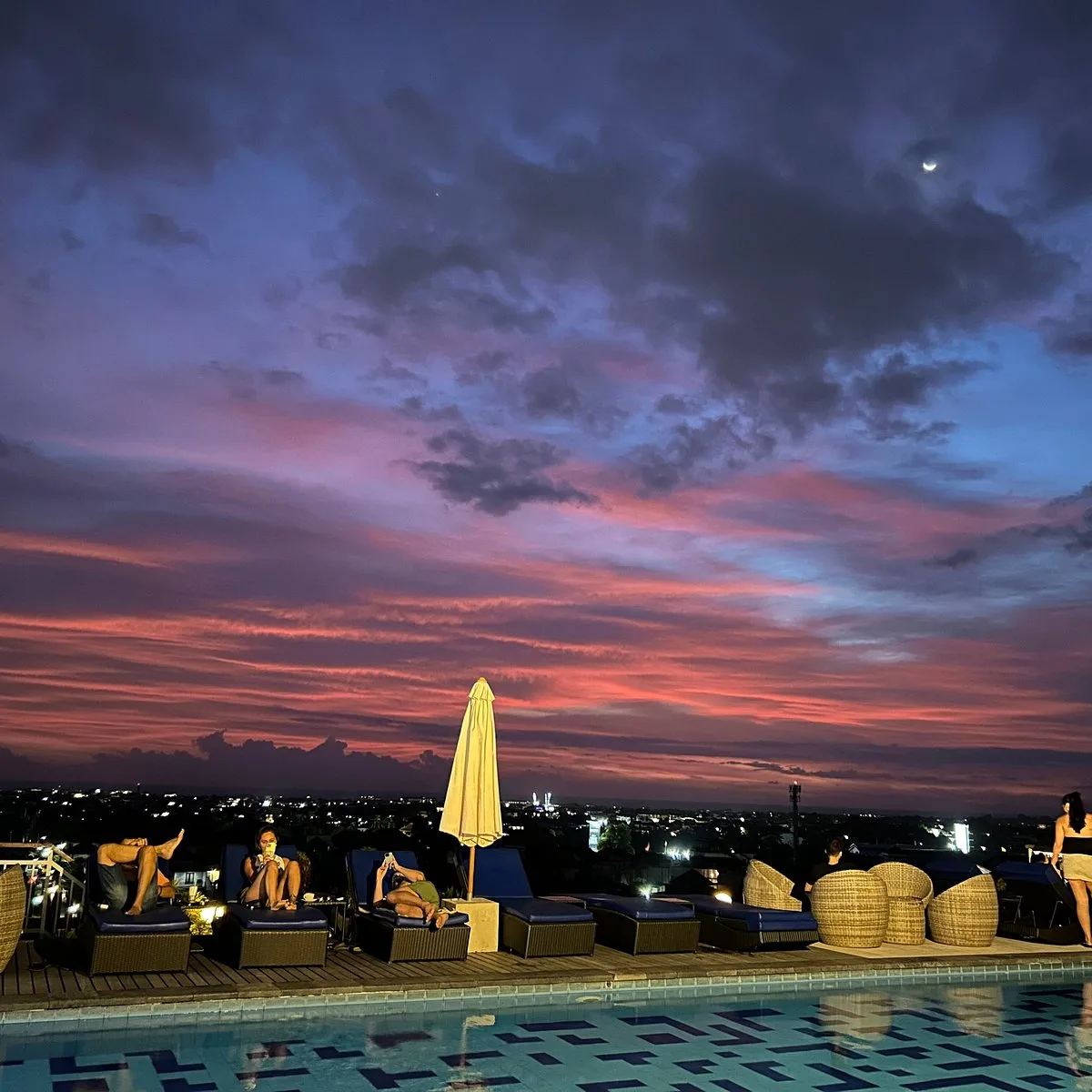
An institutional analysis of shifting investor sentiment in Seminyak, Bali, where natural rice field views and green spaces are becoming the ultimate premium commodities
The landscape of luxury real estate in Seminyak, Bali, is undergoing a structural paradigm shift. For over two decades, the market valuation of properties in this premium enclave was dictated almost entirely by proximity to high-end commercial strips, beach clubs, and the shoreline. However, as the urban grid of southern Bali approaches maximum density, high-end finishes, imported materials, and smart-home automation have shifted from value-adding differentiators to baseline entry requirements.
In the current market landscape, true luxury is increasingly defined by three rare variables: space, silence, and unobstructed natural views. This shift has elevated Seminyak’s remaining pocket rice fields from simple agricultural zones into highly coveted, premium real estate assets. For global investors and property owners, securing real estate that integrates these green corridors is the modern standard for long-term capital preservation.
The Economics of Scarce Green Space in Seminyak
As land availability in Seminyak diminishes, the principles of supply and demand drive exponential valuation premiums for villas that overlook active agricultural fields. Properties that preserve a visual connection to Bali’s traditional agrarian landscapes command a distinct financial premium over equivalent properties confined within closed concrete perimeters.
Comparative Market Performance: Urban vs. Green-Border Assets
The data indicates that the international premium travel market—particularly the high-net-worth wellness and remote-executive sectors—prioritizes accommodations that mitigate the psychological weight of dense urban environments. A villa featuring a rear-facing infinity pool that drops off into a green rice terrace offers a stark visual contrast to standard commercial lodging, directly accelerating the asset's digital conversion rate on global rental platforms.
Architectural Preservation and Property Value Insulation
Capitalizing on Seminyak’s green spaces requires sophisticated architectural planning and proactive property management. It is no longer sufficient to merely purchase land adjacent to a green space; the asset must be structurally insulated to maintain its premium view over multi-year lifecycles.
1. Elevated Zoning and Structural Design
To maximize the longevity of a property's view, modern architectural frameworks favor elevated living spaces. Designing secondary-level master suites or open-air open pavilions on reinforced upper platforms ensures that the view remains uncompromised, even if minor adjustments occur along the local perimeter boundaries.
2. Legal Due Diligence and Green Belt (Jalur Hijau) Verification
Institutional property management demands absolute transparency regarding land titles and surrounding zoning laws. Professional property asset managers must verify whether adjacent rice fields are protected under traditional Subak irrigation frameworks or designated as Jalur Hijau (green belts). Securing property bordering permanently protected agricultural land acts as a natural defensive hedge against future high-density developments.
3. Sustainable Infrastructure Integration
Properties bordering agricultural land must operate without disrupting the local ecosystem. This requires advanced wastewater management systems, eco-friendly pest control protocols that shield guests without degrading local soil or water quality, and structural harmony with centuries-old irrigation channels.
[REAL ESTATE DEVELOPER & PROPERTY MANAGEMENT INSIGHT]
When observing the rapid evolution of Bali's luxury market, navigating the complexities of land acquisition, environmental zoning, and institutional property management can be exceptionally challenging. Have you evaluated the immense operational and financial advantage of partnering with a top-tier developer to secure and manage high-yield assets in competitive locations like Seminyak?
Dunia Raya Group serves as your authoritative real estate developer and property management partner. We specialize in identifying rare, high-potential land parcels, navigating complex legal frameworks, and executing sustainable, premium construction projects. From initial site due diligence to full-lifecycle asset management and premium short-term rental optimization, we ensure your real estate investments deliver maximum yield and lasting security.
The Operational Reality of Managing Rice Field Properties
Maintaining a premium rental asset adjacent to active agricultural fields involves specialized hospitality expertise. Active farming landscapes undergo continuous seasonal transformations—from flooded planting phases to golden harvest periods and post-harvest clearing.
Expert property management teams must manage these cycles transparently. This includes executing seasonal maintenance schedules, updating digital listing content to accurately reflect the landscape's cycle, and implementing strict preventative maintenance frameworks to address the elevated humidity and natural insect life associated with open green zones. By aligning professional hospitality management with authentic agricultural preservation, investors secure an elite asset that satisfies the global demand for sustainable luxury.
Frequently Asked Questions (F.A.Q.)
1. Why are green spaces considered the new luxury commodity in Seminyak real estate?
Due to rapid urban development, open green spaces and rice fields have become scarce in Seminyak. This scarcity makes unobstructed natural views highly unique, driving up both the property value and the rental premium.
2. How do rice field views impact the Return on Investment (ROI) for Seminyak villas?
Villas featuring verified rice field or green space views consistently achieve 15% to 25% higher average daily rental rates and maintain higher occupancy stability compared to standard walled urban villas.
3. What is a "Jalur Hijau" and why is it important for property investment in Bali?
Jalur Hijau refers to officially designated green belts where construction is strictly prohibited or heavily restricted. Investing in property adjacent to a green belt ensures your view is legally protected from future development.
4. How does proximity to active rice fields affect villa maintenance requirements?
Properties near agricultural land experience higher humidity and increased insect activity. This requires specialized property management protocols, including advanced HVAC care and eco-friendly pest management.
5. Do properties with natural green views perform better during off-peak travel seasons?
Yes. The unique aesthetic and wellness appeal of green spaces attract consistent interest from luxury wellness travelers and long-term remote executives, stabilizing occupancy rates year-round.
6. What architectural styles are best suited for maximizing a rice field view?
Elevated open-living designs, extensive glass framing, and second-story layouts are ideal because they maximize visual access to the scenery while maintaining structural privacy at the ground level.
7. How do professional property management companies protect investors from zoning changes?
Companies like Dunia Raya Group conduct strict legal due diligence, verify local zoning registers, and analyze community irrigation (Subak) networks before acquisition to ensure the property's surrounding environment remains stable.
8. Is it possible for a villa to co-exist sustainably with local agricultural operations?
Yes. Sustainable management integrates advanced wastewater systems and respects local water channels, ensuring that luxury hospitality actively supports rather than disrupts the local farming community.