Traditional Gianyar architecture lies Tri Hita Karana-the ancient Balinese philosophy governing the three sources of prosperity: harmony with the divine, harmony among humans, and harmony with nature. When applied to high-end real estate development, this is not merely a conceptual selling point; it is a rigid structural blueprint.
Market Insights & Sustainable Premium Development by Dunia Raya Group
The global luxury real estate market is undergoing a structural paradigm shift. Affluent international buyers and high-net-worth investors are no longer satisfied with generic, ultra-minimalist concrete villas that offer no connection to their surrounding ecosystem. In 2026, the global property trend centers heavily on biophilic design, sustainability, and authentic cultural narratives.
Within Bali’s highly competitive real estate landscape, the Gianyar regency—anchored by the historic artistic corridor of Batubulan—has become the premier testing ground for this architectural evolution. Forward-thinking developers are unlocking immense asset premiums by seamlessly integrating traditional Gianyar architecture into modern high-end wellness estates.
1. Spatial Geometry and the Spiritual Framework of Tri Hita Karana
At the core of traditional Gianyar architecture lies Tri Hita Karana—the ancient Balinese philosophy governing the three sources of prosperity: harmony with the divine, harmony among humans, and harmony with nature. When applied to high-end real estate development, this is not merely a conceptual selling point; it is a rigid structural blueprint.
Modern wellness estates in Gianyar utilize Asta Kosala Kosali, a traditional architectural guide that dictates spatial layout based on cosmic orientation and natural energy flows. By aligning private bedroom sanctuaries toward Kaja (the sacred mountains) and allocating open communal zones toward Kelod (the sea), architects create living spaces with superior natural air circulation, optimal daylight exposure, and a tangible sense of psychological tranquility. For wellness properties, this energetic and physical alignment elevates a structure from a standard residential building to a premium, high-vibrational sanctuary.
2. Material Authenticity: The Hard-Asset Value of Batubulan Craftsmanship
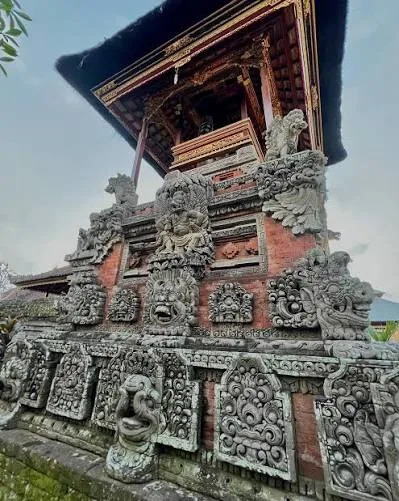
A major risk in high-density real estate developments is property depreciation caused by generic materials and rapid stylistic obsolescence. Gianyar real estate mitigates this risk through material authenticity. Batubulan, long celebrated as the epicenter of traditional stone carving in Bali, provides developers with access to legendary master craftsmen and premium local resources.
Integrating hand-carved Paras (local volcanic stone), exposed brickwork, and sustainable timber like ironwood or reclaimed teak into clean, modern architectural frameworks creates a striking visual contrast. These natural materials age beautifully, developing a timeless patina that artificial composites cannot replicate. Furthermore, prioritizing local artisanal labor significantly reduces the carbon footprint of the build, fulfilling the strict environmental criteria demanded by institutional eco-luxury funds and eco-conscious private equity investors.
3. Maximizing Portfolio Performance via Cultural Authenticity
From a strict portfolio-performance perspective, the fusion of traditional design and modern wellness amenities generates exceptional financial dividends. Affluent remote executives, international retreat organizers, and premium health-tourists are actively retreating from heavily commercialized coastal zones. They look for destinations that offer an elite architectural narrative and profound environmental peace.
Villas that feature traditional open-air Bale pavilions retrofitted into state-of-the-art yoga platforms, infrared saunas, and cold-plunge recovery sanctuaries command a substantial premium in the holiday market. These authentic wellness estates maintain resilient, double-digit net rental yields, often averaging between 12% and 16% annually. Because premium agricultural land and protected green zones in Gianyar are tightly controlled by local Banjars, the scarcity factor ensures long-term capital appreciation, protecting your capital investment for decades.
Frequently Asked Questions (F.A.Q.)
1. How does traditional Gianyar architecture enhance a property’s resale value?
Properties that feature authentic local materials and traditional craftsmanship are treated as unique, limited-edition assets. This architectural rarity prevents price compression and ensures faster resale liquidity in the global luxury market.
2. What is Tri Hita Karana in the context of modern property development?
It is a philosophy of harmony with the divine, people, and nature. In real estate, this translates to sustainable building practices, respect for local community zoning, and biophilic architectural layouts that blend seamlessly into the environment.
3. Does incorporating traditional design elements increase initial construction costs?
Working with rare volcanic stone and master carvers can increase upfront artisanal labor costs. However, this capital expense is highly justified, as it results in substantially higher rental pricing power and long-term asset value retention.
4. How do local village councils (Banjars) protect investments in Gianyar?
Gianyar’s traditional councils strictly enforce green belt zones and cultural preservation frameworks. This structured community oversight prevents overdevelopment, safeguarding your property's view retention and quiet residential environment.
5. Are these wellness estates suitable for year-round long-term expat leasing?
Absolutely. The serene jungle and rice-field settings of Gianyar, combined with modern fiber-optic connectivity and premium international wellness infrastructure, attract high-earning remote executives looking for long-term sanctuary homes.
6. What are the key wellness amenities driving rental yields in 2026?
Villas that integrate traditional open-air structural spaces with modern high-performance recovery tools—such as cold plunges, custom infrared saunas, hyperbaric chambers, and private meditation gardens—command the highest daily market rates.
7. Can foreign investors legally acquire leasehold properties in Gianyar?
Yes. Foreign buyers can safely secure premium real estate through long-term Leasehold agreements (Hak Sewa) or by establishing a Foreign Investment Company (PT PMA) to utilize a Right-to-Build title (Hak Guna Bangunan).
8. Why is Gianyar considered a safer defensive real estate play than southern Bali?
Southern Bali faces high commercial density and traffic saturation. Gianyar offers lower initial land entry costs, protected agricultural landscapes, and an elite lifestyle focus on health and culture, ensuring more resilient capital gains.
Craft Your Legacy in Bali with Dunia Raya Group
The evolution of Bali’s luxury property market proves that true luxury is no longer defined by concrete volume, but by cultural authenticity, architectural soul, and communal harmony. Capitalizing on the high-yield wellness boom in Gianyar requires an elite partner with absolute local authority, deep legal networks, and a flawless record in premium asset management.
Are you ready to diversify your international portfolio with Bali's most culturally secure and highly profitable eco-luxury estates? Do you want to align with a trusted industry leader capable of exposing your property listings to a verified global network of high-net-worth buyers and long-term premium tenants?
Join the elite real estate community at duniarayagroup.com today. Whether your immediate objective is to invest strategically in off-plan wellness developments, sell a premium heritage asset, buy a spectacular tropical sanctuary, or secure ultra-luxury rentals on a daily, monthly, or yearly basis, Dunia Raya Group provides the definitive professional ecosystem to execute your vision with absolute precision.