The architecture of Bali’s tourism has fundamentally transformed. In 2026, the global affluent traveler is bypassing high-emission transit, bumper-to-bumper car gridlocks, and crowded beachfronts. Instead, they are seeking a connection with the landscape through micro-mobility.
A prime indicator of this shift is the massive growth of cycling tourism. Popularized by iconic long-distance downhill routes starting at the rim of Mount Batur, this active wellness market has carved a direct economic path into the peaceful hinterlands of Tabanan—most notably, the historic village of Kaba-Kaba.
For real estate developers and property investors at Dunia Raya Group, this isn't just a recreational trend. It is a powerful catalyst driving up land valuations and high-yield villa rentals in North Canggu’s most exclusive green-belt pocket.
1. The Experiential Pipeline: How Travelers Become Buyers
Historically, international tourists experienced Bali via enclosed vehicles, moving directly from the airport to coastal resorts. Today’s luxury demographic prefers the "Slow Travel" approach. Downhill cycling itineraries starting at Kintamani allow riders to coast through hidden backroads, ancient agricultural valleys, and ancestral villages.
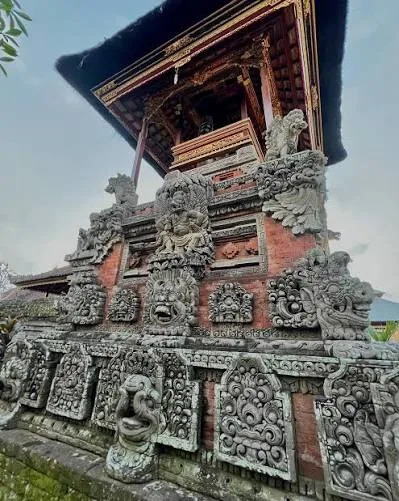
When these cycling routes culminate in Kaba-Kaba—a region famous for its low-impact Subak irrigation systems, moss-covered royal castle walls (Puri Gede Kaba-Kaba), and unblockable rice terrace views—the connection becomes personal.
Holidaymakers are no longer just passing through; they are experiencing the lifestyle of the neighborhood at ground level. This high-sensory immersion converts standard vacationers into motivated property buyers wanting leasehold or freehold estates away from the coastal noise.
2. Infrastructure Follows the Path: Why Kaba-Kaba is the Sweet Spot
Kaba-Kaba enjoys a unique geographical position. Located just 15 minutes north of Pererenan and Canggu’s premium lifestyle hubs, it acts as a quiet sanctuary that remains highly accessible.
Because the village layout features quiet lanes and flat agricultural paths, it has naturally evolved into a premier destination for hybrid and electric bike (e-bike) exploration.
[ Canggu/Pererenan Hubs ] │ (15-Minute Drive / Safe Bike Access) ▼[ Kaba-Kaba Eco-Sanctuary ] ──► Integrated with "Reasons of Harmony" Cycling Routes │ ▼[ Premium Property Valuation Growth ]Real estate assets here are appreciating rapidly due to this infrastructure. Properties that feature direct access to localized cycling trails like the "Reasons of Harmony" loop allow high-net-worth remote workers to enjoy a car-free daily routine. They can cycle down to local "Beji" holy water springs in the morning and comfortably access seaside dining by afternoon.
3. Designing for the Modern Eco-Investor
To maximize rental yields in 2026, villa developments must adapt to the design preferences of modern wellness travelers. Properties managed by Dunia Raya Group are increasingly adopting features that cater directly to active lifestyles:
- Dedicated Micro-Mobility Stations: Integrated secure storage spaces featuring solar-powered charging docks for electric bicycles.
- Green-Belt Integration: Building architectural footprints that harmonize with the native landscape, featuring floor-to-ceiling glass to showcase the surrounding cycling valleys.
- Carbon-Neutral Certifications: Incorporating eco-conscious filtration systems and sustainable materials that mirror the green ethos of low-impact tourism.
The Investor's Takeaway: Wellness-focused real estate assets in sustainable enclaves like Kaba-Kaba command an estimated 25-30% premium on nightly rental rates compared to standard luxury properties in oversaturated urban zones.
By aligning your real estate portfolio with the steady rise of premium eco-tourism, you are investing in land that is physically protected from over-development, ensuring strong capital appreciation for decades to come.
Frequently Asked Questions (FAQ)
1. Why is cycling tourism suddenly impacting Bali real estate values?
Cycling tourism changes how buyers discover land. Instead of seeing only main commercial roads, high-net-worth individuals discover pristine pockets like Kaba-Kaba through active tours. This shifts buyer demand toward low-traffic, wellness-focused locations, directly driving up property values in those specific areas.
2. Where exactly is Kaba-Kaba, and what makes its location strategic?
Kaba-Kaba is a historic village located in the Tabanan Regency, sitting roughly 15 minutes north of Canggu and Pererenan. It provides an ideal investment balance: it offers the peaceful environment, security, and clean air of traditional Bali, while remaining close to top international schools, co-working spaces, and beaches.
3. How does the Batur-to-Kaba-Kaba route connect to property investment?
The downhill bicycle routes starting near Mount Batur often move through the central plains and finish near the historic heart of Kaba-Kaba. This creates a natural marketing pipeline, regularly bringing thousands of eco-conscious, affluent travelers right to the doorstep of local luxury villa developments.
4. What are the zoning and green-belt protections like in Kaba-Kaba?
Tabanan maintains strict regional green-belt (jalur hijau) regulations to protect its historic rice terraces and agricultural heritage. This is excellent news for investors; it limits dense commercial over-building and ensures that properties built next to green fields retain their beautiful unblockable views and long-term asset value.
5. What kind of rental yields can investors expect in Kaba-Kaba compared to Canggu?
While southern coastal hubs deal with lower occupancy rates due to heavy traffic and noise pollution, Kaba-Kaba properties cater to the lucrative wellness and long-stay digital nomad markets. Sustainable luxury villas in this pocket are seeing stable double-digit annual returns (typically 12-15% ROI) along with lower initial land acquisition costs.
6. Are villas in Kaba-Kaba sold under leasehold or freehold titles?
Both options are available depending on your legal status in Indonesia. Foreign investors primarily utilize long-term leaseholds (often spanning 25 to 35 years with guaranteed extensions), which offer excellent legal protections and high rental yields. Freehold (Hak Milik) options remain available for Indonesian citizens or through structured corporate setups.
7. What specific villa amenities are eco-conscious renters looking for in 2026?
The modern high-end traveler prioritizes properties featuring dedicated e-bike charging docks, filtered drinking water setups to eliminate single-use plastics, open-air workspaces looking out over nature, and wellness facilities like private plunge pools and yoga decks.
8. How does Dunia Raya Group assist investors looking to enter the Kaba-Kaba market?
Dunia Raya Group provides complete support, including premium land sourcing, legal due diligence, environmental screening, and the development of sustainable, off-plan luxury villas designed to maximize your long-term rental income.