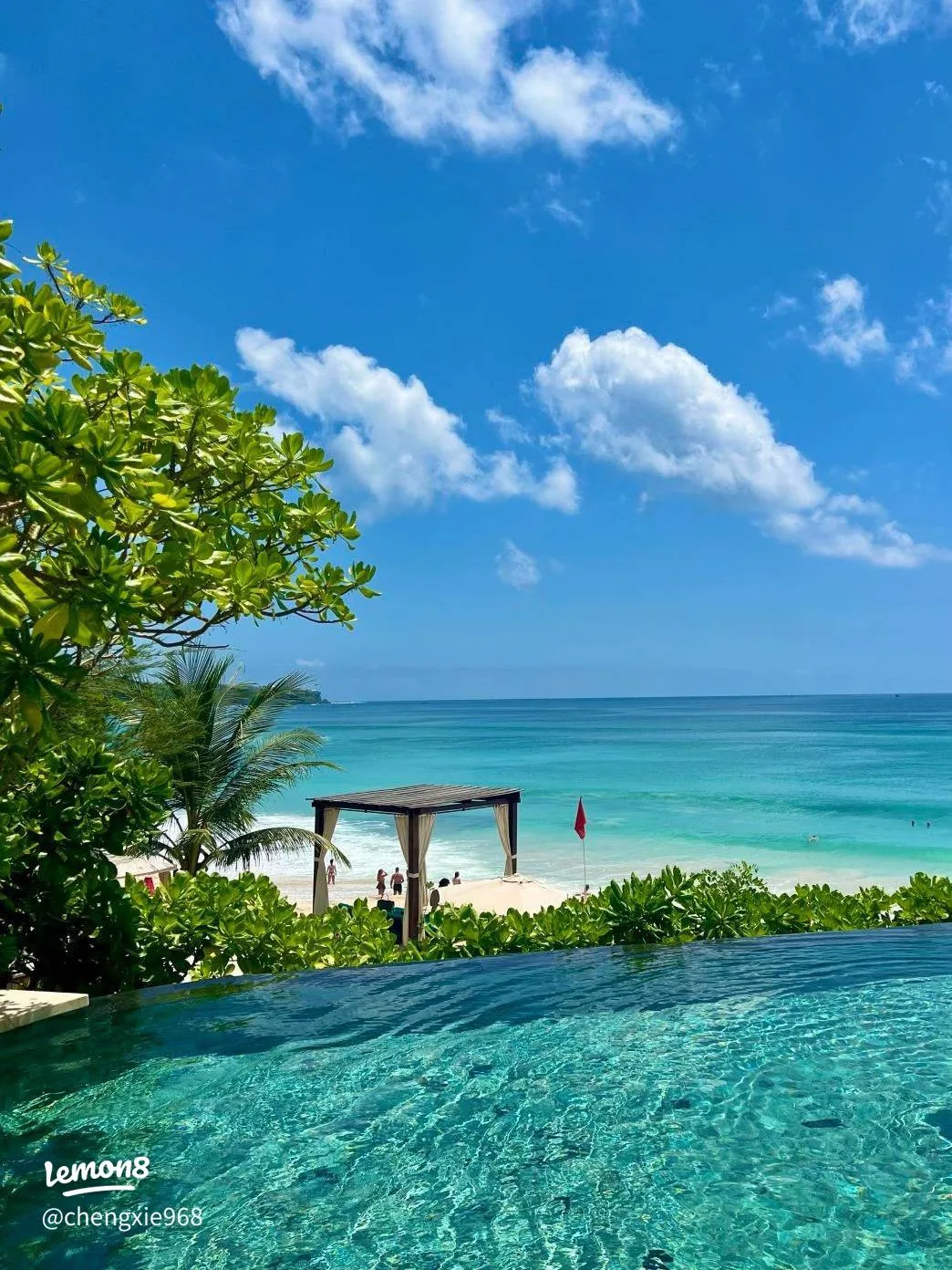
Navigating the Indonesian property market can feel overwhelming for international buyers looking to capture a slice of Bali's real estate boom. The decision of how to structure your property ownership is the single most critical factor determining your long-term return on investment and legal security.
Navigating the Indonesian property market can feel overwhelming for international buyers looking to capture a slice of Bali's real estate boom. The decision of how to structure your property ownership is the single most critical factor determining your long-term return on investment and legal security.
As we progress through 2026, understanding the precise differences between Freehold and Leasehold structures is essential before deploying capital. This comprehensive guide breaks down the legal frameworks, financial implications, and strategic paths available to foreign investors.
Key Takeaways for International Buyers
- Freehold Restrictions: Foreign individuals cannot directly hold a Freehold title (Hak Milik) under Indonesian agrarian law.
- The Corporate Route: Global investors can legally control Freehold land by establishing a foreign-owned corporation known as a PT PMA.
- Leasehold Accessibility: Leasehold (Hak Sewa) remains the most straightforward, cost-effective entry point for individual foreign buyers seeking passive rental income.
- Due Diligence Priority: Both ownership structures require meticulous checking of zoning laws (Zonasi) to avoid costly compliance issues later on.
Understanding Freehold via PT PMA (Hak Milik / Hak Pakai)
In Indonesia, pure Freehold ownership (Hak Milik) is strictly reserved for Indonesian citizens. However, international investors can achieve equivalent long-term security by setting up a PT PMA (Foreign-Owned Company).
Through a PT PMA, your corporate entity can hold a Right-to-Build title (Hak Guna Bangunan / HGB) or a Right-to-Use title (Hak Pakai). These titles grant you full legal ownership of the structure and the right to sell, lease, or pass the property to heirs.
Setting up a PT PMA in 2026 requires a minimum paid-up capital allocation, making it ideal for institutional buyers or investors planning to build a multi-villa portfolio. It protects your capital under corporate law and simplifies tax repatriation.
Understanding Leasehold Ownership (Hak Sewa)
Leasehold (Hak Sewa) is a long-term rental agreement that grants you exclusive rights to use a property or plot of land for a designated period. Most standard leasehold contracts in Bali span between 25 to 30 years, often featuring a contractually guaranteed extension option.
This structure is highly popular among individual expatriates and digital nomads because it requires significantly lower upfront capital. You can build a private pool villa, rent it out on the holiday market, and generate substantial yields without the administrative overhead of a corporation.
The key to a successful leasehold investment lies entirely within the wording of your contract. You must ensure the lease explicitly permits commercial subleasing if you intend to generate rental income through holiday platforms.
Legal and Financial Comparison for 2026
Choosing the correct pathway requires a careful evaluation of setup costs, operational flexibility, tax structures, and your intended investment timeline in Bali.
Freehold via PT PMA: The Corporate Route for Long-Term Portfolios
When choosing a corporate structure like a PT PMA, the legal title issued is typically a Hak Guna Bangunan (Right to Build) or Hak Pakai (Right to Use) under the company's name. This pathway requires an initial company incorporation setup cost ranging from IDR 30,000,000 to IDR 50,000,000, alongside meeting foreign capital investment requirements.
In return for this corporate framework, investors secure immense longevity, with titles lasting up to 80 years total through a system of initial terms and official extensions. Financially, profits are subject to a 22% corporate income tax on net profits, though this allows for extensive operational deductions. Ultimately, this structure is best suited for large-scale developers, commercial projects, and high-net-worth individuals building multi-property portfolios.
Leasehold: The Accessible Path for Individual Lifestyle Investors
On the other hand, the individual Leasehold route (Hak Sewa) operates simply as a long-term rental contract registered directly under your personal name. The setup costs here are minimal, requiring only standard local notary fees to legally secure the deed.
A typical leasehold agreement spans between 25 to 30 years, usually packaged with contractually predefined extension options. From a tax perspective, it is a highly straightforward system, generally subject to a 10% final withholding tax on rental income. This makes Leasehold ownership the absolute best entry point for individual villa owners, first-time buyers, and lifestyle investors who want a hands-off asset that generates immediate holiday rental yields.
Crucial Zoning Laws and Due Diligence
Before transferring any funds, you must verify the government zoning classification (Rencana Detail Tata Ruang) of the land plot. Bali’s local governments have tightened enforcement significantly in recent years to preserve green areas and manage rapid growth.
Land designated as Zona Hijau (Green Zone) is strictly agricultural, meaning you will never receive a building permit (PBG). For a viable villa investment, the plot must sit within a Zona Pemukiman (Residential Zone) or a Zona Pariwisata (Tourism Zone).
Pro Tip: Holiday rentals or daily villa listings on global booking sites are legally restricted to properties sitting within designated Tourism Zones.
Insider Professional Advice
The "Hidden Extension" Trap in Leasehold Contracts
Most foreign buyers feel secure if their leasehold contract states they have a "guaranteed extension option." However, general contracts often state the extension price will be decided based on the "market rate at the time of renewal."
In fast-growing areas like Pererenan or Tumbak Bayuh, the market rate can skyrocket by 300% over two decades, making renewal financially impossible. To protect your capital, always negotiate a fixed renewal price or cap the increase based on official inflation indexes (Indeks Harga Konsumen) directly inside the initial deed.
Tax Obligations for International Property Owners
Understanding your tax liabilities ensures your Bali real estate venture remains compliant and profitable. For leasehold properties, the landlord is technically responsible for paying the 10% rental income tax, though contracts often shift this burden onto the buyer.
If you operate through a PT PMA, your company will be subject to standard corporate income taxes, but you gain the ability to write off construction, maintenance, and marketing expenses. Working alongside a registered local tax consultant from day one is highly recommended to optimize your structure.
Start Your Bali Investment Securely
Deciding between Freehold and Leasehold depends on your investment timeline, total budget, and long-term financial goals in Indonesia. Both systems offer exceptional pathways to high rental yields when executed with proper legal guidance.
At DuniaRayaGroup.com, we connect international buyers with fully vetted, legally compliant real estate opportunities across Bali. Contact our legal and investment advisory team today to review our curated listings and secure your next asset safely.
Frequently Asked Questions (FAQ)
1. What happens to a leasehold villa when the contract period ends?
When the lease expires, the ownership of the land and any structures built upon it reverts completely to the original Indonesian landowner, unless you execute a pre-negotiated extension clause.
2. Can I convert a leasehold property into a Freehold title later?
No, a foreign individual cannot convert a leasehold title into Freehold. However, if you establish a PT PMA later, the company can purchase the underlying freehold title if the landowner agrees to sell.
3. Can I legally pass my Bali property lease down to my children?
Yes, leasehold contracts can be inherited by your heirs or transferred to another foreign buyer, provided that standard assignment of rights clauses are explicitly written into your notarized lease agreement.